Advanced Gum Disease Treatment for Periodontitis
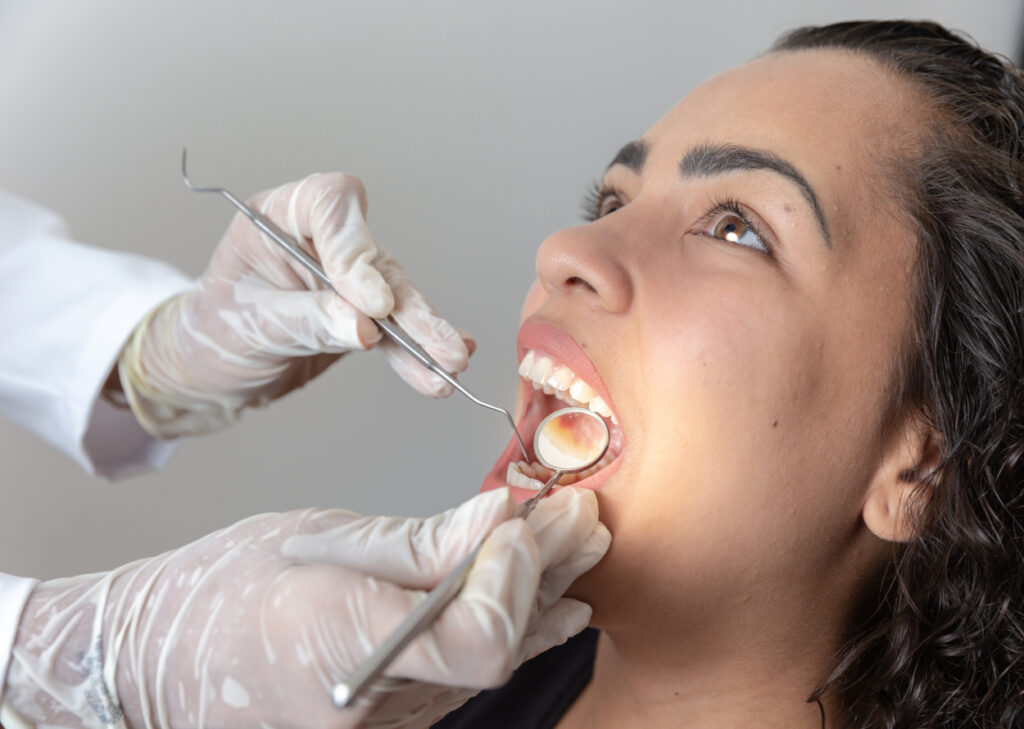
Periodontitis is not simply "bad gums." It is a chronic inflammatory disease that destroys the structures holding teeth in place, including the periodontal ligament, surrounding bone, and supporting soft tissue. When patients hear the phrase gum disease treatment, many still picture a routine cleaning and a bottle of mouthwash. That is rarely enough once periodontitis has taken hold.
In clinical practice, the most important shift happens when a patient understands two facts at the same time. First, periodontitis is serious and progressive if left alone. Second, it is often manageable, sometimes impressively so, with the right combination of treatment, home care, and maintenance. Teeth that look questionable at the first visit do not always need extraction. At the same time, not every deep pocket can be "saved" with heroic dentistry. Good treatment depends on judgment, not slogans.
The advanced management of periodontitis has changed over the years, but the core principle remains consistent: remove the bacterial burden, control the inflammation, reduce sites that trap plaque, and create conditions the patient can maintain long term. That may involve non-surgical therapy, surgical access, regenerative procedures, antimicrobial support, and a carefully structured maintenance program. The plan should be tailored to the severity of disease, the anatomy of the defects, the patient’s health, and the patient’s willingness to maintain the result.
What periodontitis actually does
Healthy gums fit snugly around the teeth. In periodontitis, bacterial biofilm accumulates along and below the gumline, triggering an inflammatory response. Over time, that response damages tissue and bone. The gum attachment migrates downward, pockets form, roots become exposed, and bone support shrinks. Some patients notice bleeding early. Others do not realize there is a problem until they feel tooth mobility or see spaces opening between teeth.
That delayed recognition is common. Periodontitis is often more destructive than painful, at least in its chronic form. A patient may say, "My gums bleed a little, but nothing hurts." Then the periodontal charting shows multiple 6 to 8 millimeter pockets and radiographic bone loss around molars and front teeth. The disease can advance quietly.
The severity of destruction matters, but so does the pattern. A single deep intrabony defect on an otherwise stable mouth is a very different clinical problem from generalized inflammation with heavy calculus, smoking, and uncontrolled diabetes. Both fall under periodontitis. Their treatment paths are not the same.
Why routine cleanings are not enough once disease progresses
A prophylaxis is designed for a healthy or relatively stable mouth. It removes plaque, mild stain, and superficial deposits above the gumline. It does not address significant subgingival calculus or infected deep pockets in a meaningful way.
Once periodontitis is established, the first real therapeutic phase is usually scaling and root planing, sometimes called deep cleaning. This is not merely a more aggressive cleaning. It is a targeted procedure that removes deposits below the gumline, smooths contaminated root surfaces, and disrupts bacterial biofilm within periodontal pockets. In many moderate cases, this step alone can reduce bleeding, shrink inflamed tissue, and lower probing depths enough to move a patient into a more maintainable state.
That said, deep cleaning has limits. It works best when the root anatomy is accessible, the defects are not too complex, and the patient improves plaque control at home. Furcation involvement in molars, very deep angular defects, and tissue that remains inflamed after initial therapy often require more than instrumentation.
The first phase of advanced gum disease treatment
Good periodontal care starts with diagnosis, not treatment guessing. A proper workup includes periodontal probing, bleeding assessment, mobility evaluation, furcation grading where relevant, and radiographs that show the pattern and extent of bone loss. Sometimes the most useful part of the initial visit is not the procedure, but the conversation. Patients need to know whether they are dealing with https://juliusiptl783.evergrovio.com/posts/the-cost-of-gum-disease-treatment-a-practical-guide early, moderate, or advanced disease, what can be reversed, and what cannot.
Initial treatment usually aims to stabilize the environment. That often includes scaling and root planing performed over one or more visits, local anesthesia for comfort, and detailed oral hygiene coaching specific to the patient’s anatomy. Generic advice rarely works. A patient with crowded lower incisors and recession needs different instruction than a patient with bridgework and posterior furcations.
It is also the stage where contributing factors are addressed. Poorly contoured restorations that trap plaque, overhanging fillings, dry mouth, tobacco use, grinding, and uncontrolled systemic conditions can all influence periodontal response. If those issues are ignored, even excellent mechanical treatment may fail to hold.
After the initial therapy, the tissues need time to respond. Re-evaluation is critical, usually within several weeks to a few months depending on the case. This is where the real treatment planning happens. Some pockets resolve beautifully. Others remain deep, bleed on probing, or show persistent inflammation. Those residual sites drive the next decision.
When deep pockets remain after initial therapy
Residual periodontal pockets are not all equally dangerous, but certain patterns deserve close attention. A 4 millimeter site with no bleeding and stable attachment may simply be monitored. A 6 or 7 millimeter bleeding pocket in a molar furcation is another matter entirely. Persistent deep sites are difficult for patients to clean and act as ongoing reservoirs for pathogenic bacteria.
Here are the situations that often push treatment beyond non-surgical care:
- pockets that remain 5 to 6 millimeters or deeper with bleeding after initial therapy
- angular or vertical bone defects visible on radiographs
- furcation involvement in molars
- progressive tooth mobility linked to attachment loss
- recurrent inflammation despite good home care and regular maintenance
This is the point where advanced gum disease treatment becomes more nuanced. The next step might be localized antimicrobial support, surgical access, regenerative procedures, or selective extraction if the tooth is no longer predictably maintainable.
Adjunctive antimicrobials, where they help and where they do not
Patients often expect antibiotics to "kill the infection." That language is understandable, but periodontitis is not like a simple sore throat. The problem is a structured biofilm attached to root surfaces and embedded in a diseased pocket environment. Mechanical disruption remains the primary treatment. Antibiotics can support therapy in selected cases, but they do not replace debridement.
Locally delivered antimicrobials, placed directly into periodontal pockets, may help isolated persistent sites. They can be useful when there are a few stubborn pockets after good initial treatment, especially if surgical intervention is being delayed or avoided. Their effect is usually modest and site-specific, not transformative across the whole mouth.
Systemic antibiotics are more controversial and should be used judiciously. They may be appropriate in aggressive or rapidly progressing cases, certain refractory presentations, or when specific clinical patterns suggest a broader bacterial challenge. Even then, they should be paired with proper instrumentation and careful timing. Overuse creates false reassurance and contributes nothing if the biofilm remains undisturbed.
Antiseptic rinses such as chlorhexidine can reduce bacterial load temporarily, especially after procedures or in patients struggling with inflammation. They are supportive tools, not stand-alone periodontal therapy. Used too casually or too long, they can cause staining, alter taste, and encourage people to overestimate their impact.
Periodontal surgery, gaining access and changing anatomy
When non-surgical treatment reaches its limit, surgery is often less dramatic than patients expect and more effective than they fear. The purpose is not simply to "cut the gums." It is to improve access for root debridement, reduce pocket depth, reshape architecture that traps plaque, and sometimes rebuild lost support.
Flap surgery, often called pocket reduction surgery, allows the clinician to reflect the gum tissue, visualize root surfaces directly, remove calculus that instruments may have missed, and reduce or eliminate deep pockets. In posterior areas with complex anatomy, this visibility matters. Many persistent sites are not failing because the patient is careless. They are failing because the anatomy is difficult.
Osseous recontouring may be added when irregular bone architecture contributes to pocket formation. This is a technical area where restraint matters. Bone is not removed casually. The goal is to create a more physiologic contour that supports healthier tissue adaptation and better cleansability.
Patients sometimes ask whether surgery is "worth it" if the bone cannot be fully restored. Often the answer is yes. Periodontal surgery does not always regenerate what was lost, but it can convert an unstable, inflamed site into a manageable one. That alone can prolong the life of the tooth substantially.
Regenerative periodontal therapy, when rebuilding is possible
One of the most satisfying areas in periodontics is regeneration, because in the right defect and the right patient, it can do more than simply arrest disease. It can rebuild support to a meaningful degree. That said, regeneration is highly case-dependent.
The best candidates are usually deep vertical or intrabony defects with favorable architecture. Defects surrounded by remaining bony walls tend to respond better than broad, shallow, horizontal bone loss. The procedure may involve bone graft material, barrier membranes, biologic mediators, or combinations of these techniques. The exact material matters less than proper case selection, meticulous surgical technique, and a stable healing environment.
Regeneration is not magic. Smokers tend to heal less predictably. Poor plaque control can undermine the result quickly. Teeth with severe mobility, root fractures, or advanced furcation involvement may not benefit even if a defect looks promising radiographically. The most experienced clinicians are often the most selective, because they have seen both excellent outcomes and disappointing ones.
A practical example illustrates the difference. A healthy non-smoker with a localized 3-wall intrabony defect around a lower molar may respond extremely well to regenerative surgery. Another patient with generalized severe periodontitis, uncontrolled diabetes, and heavy plaque accumulation may be better served by disease control, maintenance, and realistic expectations rather than a highly technique-sensitive graft procedure.
Molar furcations, the areas that challenge everyone
Furcation involvement deserves special attention because it changes prognosis quickly. Once bone loss reaches the area where molar roots diverge, cleaning becomes much harder for both the clinician and the patient. These sites can remain inflamed despite otherwise respectable care.
Treatment depends on severity. Early furcation defects may stabilize with scaling and root planing, local plaque control improvements, and close maintenance. More advanced furcations may need flap access, odontoplasty in select cases, regenerative attempts when anatomy permits, or in rare situations, root resection or tunneling. These are not routine recommendations. They require careful planning and a patient capable of maintaining altered tooth anatomy.
In daily practice, some molars survive for years with furcation involvement because the patient is meticulous and attends periodontal maintenance faithfully. Others fail despite multiple interventions because access is poor and home care never becomes reliable. Biology matters, but so does behavior.
Lasers and other technology, separating promise from proof
Laser periodontal therapy gets a great deal of attention. Patients often come in asking whether laser treatment is better than conventional therapy because it sounds more modern and less invasive. The honest answer is that lasers may have a role in some periodontal protocols, but they are not a universal replacement for conventional mechanical debridement and surgery.
Some clinicians find lasers helpful as adjuncts for soft tissue management or bacterial reduction. Certain patients report a comfortable experience. Yet the outcome still depends on disease severity, root debridement quality, anatomy, and maintenance afterward. Marketing often outruns evidence in this area. A laser in unskilled hands does not outperform a well-executed conventional treatment plan.
The same principle applies to many advanced devices. Technology can improve efficiency or refine technique, but it rarely overrides fundamentals. Good diagnosis, thorough debridement, proper tissue management, and patient adherence remain the drivers of success.
Systemic health and its influence on treatment outcomes
Periodontitis does not exist in isolation from the rest of the body. Diabetes is the classic example. Patients with poorly controlled blood sugar often show more inflammation, more attachment loss, and slower healing. When glycemic control improves, periodontal response often improves too. This is not theoretical. It is one of the clearest day-to-day patterns seen in practice.
Smoking is another major modifier. Smokers may show less obvious bleeding despite significant disease, which can mask severity. They also tend to heal less predictably after scaling, surgery, and regenerative procedures. A patient who reduces or quits smoking before treatment improves the odds in a very real way.
Medications, autoimmune disorders, stress, dry mouth, and immune status also shape prognosis. This is why the best gum disease treatment plans are not purely mechanical. They are medical and behavioral as well.
When extraction is the better treatment
Saving teeth is a worthy goal, but not every tooth should be saved at any cost. Some teeth are so compromised that repeated attempts to preserve them only prolong inflammation, absorb time and money, and delay a more stable plan. This can be a difficult conversation, especially when the tooth is not painful or when the patient wants every possible heroic measure.
Teeth may be poor candidates for retention when there is near-circumferential bone loss, severe untreatable furcation destruction, vertical root fracture, non-restorable decay beneath the gumline, or mobility so advanced that function is already compromised. In those cases, extraction can be the most responsible option.
That does not mean the case has failed. Sometimes removing one or two hopeless teeth dramatically improves the periodontal environment and allows the remaining dentition to stabilize. In a full-mouth plan, selective extraction can be a strategic move rather than a defeat.
Maintenance, the phase that determines whether treatment lasts
Many periodontal treatments look successful at the re-evaluation visit. The harder question is whether they still look successful three years later. That depends heavily on maintenance. Periodontitis is generally controlled, not cured in the simplistic sense. The mouth needs ongoing surveillance and periodic disruption of recurrent biofilm.
Periodontal maintenance intervals are commonly set at about three to four months, especially after active therapy. Six months is often too long for patients with a history of moderate to severe disease. At these visits, probing depths, bleeding sites, plaque levels, mobility, and home care performance are reviewed. Radiographs are updated as needed. Localized retreatment can be done before small problems become large ones.
The patients who do well over time tend to follow a few practical habits consistently:
- they attend periodontal maintenance on schedule, even when everything feels fine
- they clean between teeth daily with tools suited to their anatomy
- they replace worn toothbrush heads and use technique rather than force
- they report changes early, such as bleeding, shifting teeth, or a bad taste in one area
- they understand that stable gums still require ongoing care
This is where professional honesty matters. No clinician can out-treat poor daily plaque control indefinitely. Likewise, no patient should be blamed for every relapse if anatomy, systemic risk factors, or unrealistic treatment goals were part of the picture from the start. Long-term success is collaborative.
What patients can expect during recovery
Recovery varies by treatment type. After scaling and root planing, gums may feel tender for a day or two, and teeth can seem temporarily more sensitive to cold. That usually settles as inflammation decreases. Patients are often surprised that their teeth may feel cleaner yet slightly "longer" afterward. In reality, swollen tissue has shrunk, revealing the true contour.
After periodontal surgery, mild swelling, oozing, and tenderness are common for several days. Pain is often manageable with standard medications, though the exact regimen depends on the procedure and patient health. Soft foods, careful brushing modifications, and follow-up visits are part of the routine. Regenerative procedures generally require even more respect for healing. The area must be kept clean without disturbing the site, and the patient has to follow instructions closely.
The biggest predictor of a smooth recovery is not bravado. It is preparation. Patients who know what to expect, who have supplies ready at home, and who understand why the area must be protected usually do better than those who treat surgery like a casual cleaning appointment.
The real measure of successful periodontitis care
Success is not always dramatic. Sometimes it is a reduction from 7 millimeter bleeding pockets to stable 4 millimeter sites that no longer suppurate and are maintainable for years. Sometimes it is preserving a strategic molar that seemed questionable at the start. Sometimes it is recognizing early that a tooth is hopeless, removing it, and preventing wider breakdown.
Advanced gum disease treatment for periodontitis works best when expectations are precise. The aim is not perfection on paper. It is a healthier, cleaner, more stable mouth with less inflammation, shallower pockets where possible, and a realistic long-term maintenance plan.
Patients often want one definitive procedure that fixes everything. Periodontitis rarely behaves that way. It responds to a sequence: accurate diagnosis, thoughtful mechanical treatment, selective use of surgery or regeneration, management of systemic and behavioral risks, and disciplined follow-up. That sequence may not sound glamorous, but it is how teeth are kept functional year after year.
For anyone facing moderate to advanced periodontal disease, the key decision is not whether treatment is worthwhile. It is whether the treatment plan matches the biology of the case and the habits of the person living with it. When those two line up, the results can be far better than many people expect.
Avra Dental
Address: 1708 S Victoria Ave B, Ventura, CA 93003
Phone number: +18057653206
FAQ About Gum Disease Treatment
Can I make my gums healthy again?
Yes, you can make early-stage gum disease completely healthy again, but advanced damage requires professional care to manage.
Can you cure gum disease?
You can cure early-stage gum disease, but advanced gum disease cannot be fully cured.
Can I live a normal life with gum disease?
Yes, you can live a normal life with gum disease, but it requires active, lifelong management to control the condition and prevent serious complications