Periodontal Treatment for Healthier Gums, Fresher Breath, and Stronger Teeth

Healthy gums rarely get the attention they deserve until something starts to feel off. A little bleeding while brushing, a persistent bad taste, tenderness near the molars, breath that does not improve even after mouthwash, these are easy to dismiss. Many people do dismiss them, often for months or years. By the time they sit in a dental chair and hear the words gum disease, they are surprised to learn how much damage can happen quietly.
That is what makes periodontal treatment so important. It is not only about stopping gum bleeding or making the mouth feel cleaner. It is about protecting the tissues that hold teeth in place, reducing bacterial load, improving comfort, and preserving long term oral function. Well timed treatment can mean the difference between a manageable condition and a lifetime of recurring dental problems.
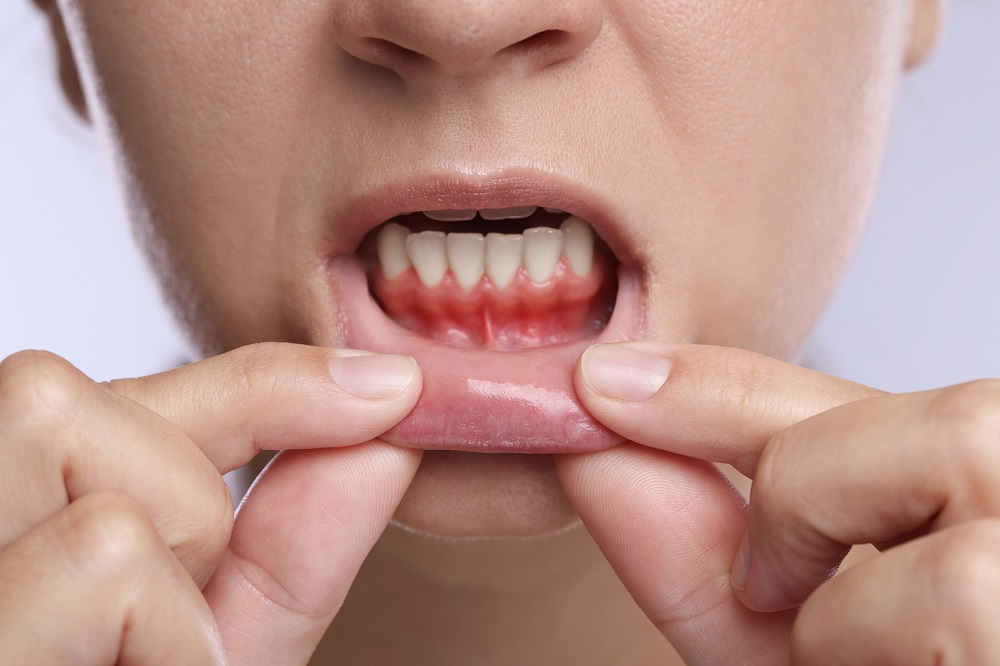
Gum disease usually begins as gingivitis, a reversible inflammation caused by plaque accumulation at and below the gumline. At that stage, the gums may look redder than usual, feel puffy, or bleed during brushing and flossing. If plaque hardens into tartar and the bacterial irritation continues, the inflammation can spread deeper. That is when gingivitis can progress to periodontitis, where the supporting bone and connective tissue begin to break down. Teeth may loosen, gums may recede, and spaces can form between teeth that were not there before.
Many patients assume periodontitis is only a problem for older adults. In practice, that is not always true. I have seen people in their thirties with surprisingly advanced gum disease because they grind their teeth, smoke, skip routine cleanings, and breathe through their mouths at night. I have also seen retirees with remarkably stable gums because they have kept consistent hygiene habits for decades and respond early when something changes. Age matters less than cumulative risk, daily care, and how quickly the problem is addressed.
What periodontal treatment actually treats
Periodontal treatment focuses on the structures around the teeth: the gums, the periodontal ligament, the root surfaces, and the surrounding bone. When these tissues are inflamed or infected, they cannot do their job well. Teeth may still look fine in the mirror, yet deep pockets can form under the gums where bacteria thrive.
A healthy gumline generally hugs the tooth closely. In early disease, that seal becomes inflamed and more fragile. In more advanced cases, the gum tissue starts to detach, creating periodontal pockets. These pockets are difficult to clean at home. Bristles and floss can reach only so far, especially when tartar is rough, tenacious, and tucked below the gumline. Bacteria then settle into an environment that favors chronic infection.
The aim of periodontal treatment is to disrupt that cycle. The treatment reduces bacteria, removes deposits that harbor them, allows the tissues to heal, and creates conditions the patient can maintain at home. Some cases improve with non surgical care alone. Others need a periodontist to perform more advanced procedures. The right approach depends on the depth of the pockets, the amount of bone loss, the pattern of gum recession, whether teeth are mobile, and the patient's overall health.
The earliest warning signs people overlook
Bleeding gums are often the first clue, and they are commonly misunderstood. People think, “I must be brushing too hard,” and sometimes that is part of the story. More often, the tissue is inflamed and bleeds because it is unhealthy, not because it is being cleaned properly. Healthy gums do not usually bleed with normal brushing and flossing.
Bad breath is another frequent signal. Not the occasional morning breath that disappears after breakfast, but breath that lingers throughout the day or returns quickly after brushing. When bacterial buildup sits under the gums, it can produce a persistent odor that mouthwash masks only briefly.
Other signs are subtler. Teeth may feel sensitive near the roots. A person may notice that food packs more easily between two back teeth. Someone who has always had a straight smile may see a slight shift or a new gap near the front. Dentures or partials may fit differently as gum and bone support change over time.
Pain is less reliable than people expect. Periodontal disease can progress with very little pain until a flare up occurs. That false calm is one reason routine exams and periodontal measurements matter so much. A gum problem does not need to hurt in order to be serious.
Why fresher breath often starts below the gumline
Patients often spend money on whitening toothpaste, stronger mouthwash, sugar free mints, tongue scrapers, and still complain that their breath does not stay fresh. Sometimes the culprit is dry mouth, sinus issues, reflux, or dietary habits. But when breath remains unpleasant despite reasonable home care, gum disease deserves a close look.
Bacteria associated with periodontal disease release compounds that have a strong odor. If those bacteria are protected inside deep pockets, surface cleaning alone will not solve the problem. This is one of the most satisfying parts of successful periodontal treatment. Once the subgingival deposits are removed and inflammation decreases, patients often notice a major improvement in breath within days to weeks. Their mouth feels cleaner in a way that mouthwash alone never delivered.
That does not mean every case of bad breath is a gum problem. Clinical judgment matters. A dry mouth caused by medications, for example, can create similar complaints. People taking antihistamines, certain antidepressants, blood pressure medications, or sleep aids may struggle with oral dryness that makes bacterial odors worse. The point is that persistent bad breath has to be traced to its source. When the source is periodontal disease, treatment below the gumline changes the outcome.
What happens during diagnosis
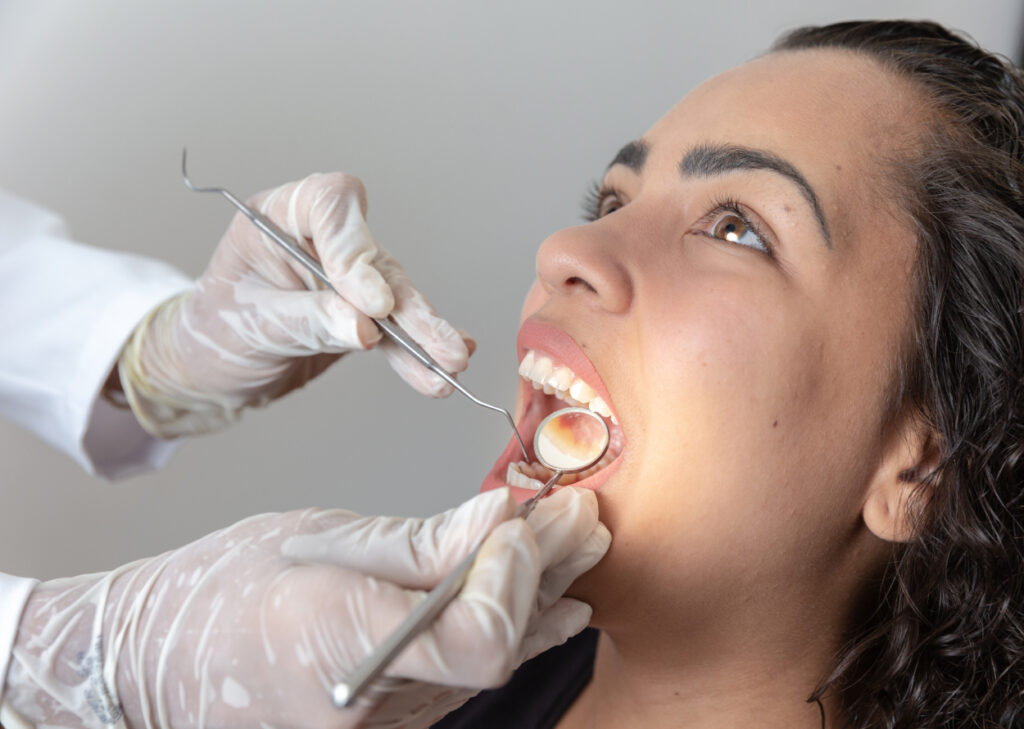
Proper periodontal treatment starts with measurement, not guesswork. During an exam, a dentist or hygienist checks pocket depths around each tooth using a periodontal probe. Numbers of 1 to 3 millimeters are generally considered healthy in the absence of bleeding and inflammation. Deeper measurements may indicate attachment loss, especially when combined with bleeding, recession, tartar, and radiographic bone loss.
Dental X rays help reveal the bone support around the teeth. This is important because gums can appear only mildly irritated while the underlying bone tells a more serious story. Mobility testing, bite evaluation, and review of medical history also shape the diagnosis. Someone with poorly controlled diabetes, for instance, may heal differently and show more persistent inflammation. A person who clenches heavily may have tooth mobility that complicates treatment planning even if the bacterial burden is moderate.
This diagnostic stage is where personalized care begins. Two patients can both be told they have gum disease, yet their treatment paths may be very different. One might need deep cleaning and maintenance visits every three to four months. Another might need referral to a periodontist for surgical access, grafting, or treatment around compromised implants.
The most common forms of periodontal treatment
Many people hear the phrase deep cleaning and assume it is just a more intense version of a regular cleaning. It is not. A routine prophylaxis is designed for mouths without active periodontal disease, where plaque and tartar are removed above the gumline and in shallow healthy crevices. Periodontal treatment goes deeper, literally and clinically.
Scaling and root planing is the most common non surgical therapy. During this procedure, the clinician removes tartar, plaque, and bacterial toxins from the root surfaces below the gums. The root is smoothed so the tissue can reattach more effectively and so fewer deposits cling to the surface afterward. Depending on the extent of disease, treatment may be completed over one or more visits and may involve local anesthetic to keep the patient comfortable.
Some offices pair mechanical cleaning with localized antimicrobials or other adjunctive therapies in selected cases. These can help, but they do not replace thorough debridement. The fundamentals still matter most: remove the deposits, reduce the bacterial load, improve home care, and reassess healing.
When non surgical care does not adequately control the disease, surgical periodontal treatment may be recommended. This can include flap procedures to improve access for cleaning deep areas, regenerative procedures where conditions are favorable, crown lengthening in specific restorative situations, or gum grafting to address recession and root exposure. Not every patient needs surgery, and not every deep pocket justifies it. Decisions depend on anatomy, prognosis, esthetics, comfort, and the patient’s ability to maintain the result.
Why stronger teeth depend on healthy gums
Teeth are often thought of as solid structures that either get cavities or stay fine. In reality, a healthy tooth still depends on healthy support. The roots sit in bone, suspended by the periodontal ligament and sealed by gum tissue. When that support weakens, even cavity free teeth can become unstable.
I have seen patients puzzled by loosening front teeth because those teeth “never had fillings and never hurt.” Their enamel was not the problem. Their support system was. Once bone loss reaches a certain point, the teeth can drift, flare, or feel mobile during biting. That is why periodontal treatment matters for stronger teeth. It preserves the foundation.
Sometimes mobility improves after inflammation is treated because swollen tissues tighten and traumatic bite forces are adjusted. Sometimes it does not fully resolve because too much support has already been lost. This is one of the harder conversations in practice. Treatment can often stop or slow progression, but it cannot always rebuild everything that disease has taken away. Early care gives the best chance for stability.
The connection between home care and clinical results
No periodontal treatment succeeds for long without daily maintenance at home. That is not a blame statement, just a biological reality. Dental professionals can clean areas patients cannot reach and reset the tissues toward health, but plaque begins to form again within hours.
The good news is that effective home care does not have to be complicated. It has to be consistent and appropriate to the person’s anatomy and dexterity. Someone with tightly packed front teeth may do well with floss and an electric toothbrush. Another person with recession, bridges, or wider spaces may need interdental brushes, a water flosser, or floss threaders. A patient with arthritis may need modified handles or adaptive devices. Good advice is always specific.
The biggest mistake I see is aggressive brushing. People trying hard to improve their gums sometimes scrub the gumline with a medium or hard bristle brush and create more recession and sensitivity. Pressure is not the goal. Thoroughness is. Soft bristles, angled properly, with enough time spent along the gumline usually outperform forceful brushing.
For patients actively undergoing periodontal treatment, I often emphasize a short set of priorities:
- Brush twice a day with a soft bristle brush, focusing on the gumline rather than just the chewing surfaces.
- Clean between the teeth daily with the tool that fits your mouth, whether floss, interdental brushes, or another recommended aid.
- Keep periodontal maintenance appointments on schedule, even when the gums seem fine.
- Report changes early, especially new bleeding, swelling, tenderness, or tooth movement.
Those basics sound simple because they are simple. The https://felixelmm002.talesignal.com/posts/what-makes-a-personalized-periodontal-treatment-plan-effective challenge is repetition over time, not complexity.
What recovery and follow up usually look like
After scaling and root planing, some tenderness is normal. Teeth may feel sensitive to cold for a period of time, especially where inflammation had been masking root exposure. The gums may appear less puffy, and spaces between teeth can look more visible as swollen tissue shrinks back to a healthier contour. Patients are sometimes alarmed by this, thinking treatment created gaps. In reality, the swelling had been filling those spaces before.
Reevaluation is essential. Usually after several weeks, the clinician remeasures the pockets, checks bleeding points, and compares tissue response to the baseline exam. Some sites heal beautifully. Others remain deep or inflamed and may require further intervention. That reassessment separates routine care from real periodontal management. You do not want to assume treatment worked equally well everywhere.
Long term maintenance is where many outcomes are won or lost. Patients with a history of periodontitis often need more frequent professional care than the standard twice a year schedule. Three or four month intervals are common because pathogenic bacteria can repopulate over time, and deeper pockets need closer monitoring. This maintenance phase is not an upsell. For the right patient, it is the treatment plan.
Who tends to be at higher risk
Some mouths are simply more vulnerable. Smoking remains one of the strongest risk factors. Smokers may show less bleeding because nicotine affects blood flow, which can make disease appear quieter than it is. Healing is also less predictable. Diabetes, especially when poorly controlled, is another major factor because inflammation and healing are closely tied to blood sugar regulation.
Hormonal changes can influence gum response as well. Pregnancy, puberty, menopause, and certain medications may increase inflammation or create tissue overgrowth. Stress can play a role through immune function and behavior, with people grinding more, sleeping less, or neglecting home care during difficult periods.
Genetics matter too, though they do not erase the value of good habits. Some patients seem to accumulate severe bone loss disproportionate to the amount of visible plaque. Others tolerate years of imperfect hygiene with less damage than expected. That variation is real, which is why periodontal treatment should never be copied from one patient to the next.
When gum recession changes the plan
Not every gum problem is driven mainly by deep infection. Recession can occur from a mix of causes, including thin gum tissue, brushing trauma, orthodontic tooth movement, clenching, and inflammation. In those cases, periodontal treatment may include grafting to cover exposed roots, improve comfort, or thicken vulnerable tissue.
This is where the term treatment can mean very different things. One patient needs removal of deep tartar and pocket reduction. Another needs a tissue graft to protect a root that is painfully sensitive but otherwise periodontally stable. A third needs both. The common thread is preserving the support and health of the tissues around the teeth.
Patients often ask whether grafting is cosmetic or medically necessary. Sometimes it is both. Recession on a front tooth may affect appearance, but if the tissue is thin and the root keeps becoming more exposed, treatment may also protect long term stability and make the area easier to clean comfortably.
Cost, value, and the price of delay
Periodontal treatment can feel expensive, especially when patients expected “just a cleaning.” That reaction is understandable. What helps is framing the value correctly. Treating gum disease early is often far less costly than managing the consequences later, such as extractions, implant placement, bone grafting, bridgework, dentures, or repeated emergency visits for gum abscesses.
There is also the quality of life factor. Chronic tenderness, embarrassing breath, food trapping, tooth shifting, and anxiety about loose teeth wear people down over time. When treatment reduces those day to day burdens, the benefit is tangible.
Insurance coverage varies widely and does not always align neatly with clinical need. Some plans support non surgical therapy and maintenance reasonably well, while others leave significant out of pocket costs. Patients deserve clarity here. A good office explains what is recommended, what may happen if care is postponed, and where there is room for staged treatment if budgeting is necessary.
How to know whether treatment is working
The mouth usually gives useful feedback when periodontal treatment is succeeding. Bleeding decreases. Breath improves. Gums look firmer and less red. Tenderness fades. The teeth and gums feel cleaner for longer after brushing. On the clinical side, pocket depths may reduce, tissue tone improves, and sites bleed less during measurement.
That said, healing is not always linear. A patient may have excellent response in most areas and stubborn inflammation around a lower molar that traps plaque because of root anatomy or a deep furcation. Another may do everything right at home and still need surgical treatment in a few isolated sites. Success should be judged tooth by tooth and site by site, not by broad assumptions.
The healthiest mindset is to see periodontal care as ongoing stewardship rather than a one time fix. If you have ever had periodontitis, you remain more susceptible than someone who never had it. That does not mean the future is bleak. It means consistency matters.
The practical bottom line
Healthy gums support more than a pleasant smile. They anchor teeth, protect root surfaces, reduce bacterial burden, and influence how the whole mouth feels day to day. When gums are inflamed or infected, the effects reach beyond a little bleeding in the sink. Breath changes. Comfort changes. Tooth stability changes.
Periodontal treatment addresses those problems at their source. It removes the deposits that keep inflammation going, gives the tissues a chance to heal, and helps preserve the bone and attachment teeth need to stay strong. For some people, that means deep cleaning and more frequent maintenance. For others, it includes surgical care, grafting, or management of complicating factors like smoking, dry mouth, or diabetes.
If your gums bleed regularly, your breath does not stay fresh, or your teeth feel different when you bite, it is worth having a thorough periodontal evaluation rather than waiting for pain. Gum disease is often quiet until it is advanced. Early attention gives you better options, better comfort, and a better chance of keeping your natural teeth stable for years to come.
Avra Dental
Address: 1708 S Victoria Ave B, Ventura, CA 93003
Phone number: (805) 941-1001
FAQ About Periodontal Treatment
Can a dentist get rid of periodontal disease?
A dentist or gum specialist (periodontist) cannot fully cure or reverse advanced periodontal disease (periodontitis), but they can successfully stop its progression and manage the infection.
Is periodontitis very serious?
Yes, periodontitis is a very serious, advanced form of gum disease that destroys the bone and tissues supporting your teeth.
How is stage 2 periodontal disease treated?
Stage 2 periodontal disease (early to moderate periodontitis) is primarily treated with non-surgical deep cleaning procedures like scaling and root planing to remove bacteria and tartar below the gumline.