Periodontal Treatment Ventura: Solutions for Gum Recession
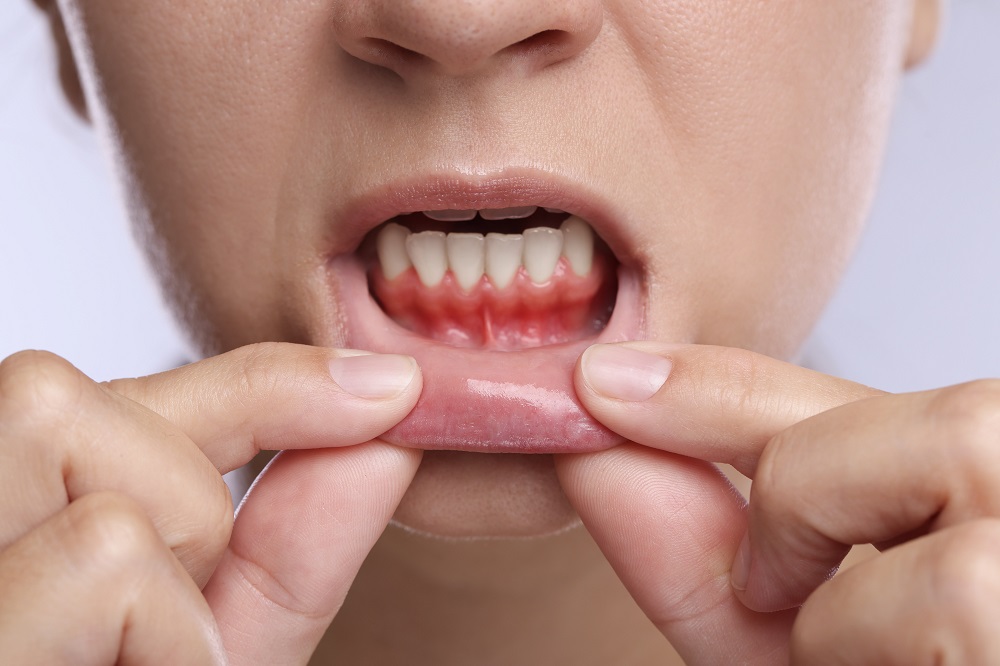
Gum recession tends to arrive quietly. A patient notices that a front tooth looks a little longer in photos, or that cold water stings near the gumline on one side. Sometimes the first clue is cosmetic. Sometimes it is sensitivity, a nick-shaped notch near the root, or a hygienist pointing out that the tissue has migrated lower than it should be. By the time people start searching for answers, they usually want to know two things right away: can this be fixed, and what kind of periodontal treatment in Ventura actually works?
The short answer is yes, there are effective solutions for gum recession, but the right approach depends on why the recession developed in the first place, how much supporting bone remains, and whether the problem is active or stable. Receding gums are not all the same. A person who has thin tissue and brushes too hard needs a different plan than someone with untreated periodontal disease, clenching habits, or old dental work that traps plaque. Good treatment starts with sorting out cause before choosing procedure.
What gum recession really is
Gum recession means the edge of the gum tissue has moved away from the crown of the tooth and exposed more of the root surface. That exposed root is not protected by enamel the way the visible part of the tooth is. Roots are softer, more sensitive, and more vulnerable to wear and decay. Once recession occurs, gum tissue does not simply grow back on its own in the way skin may heal after a scrape.
That is the part many patients find frustrating. They improve their brushing, use a softer toothbrush, and do all the right things, yet the gumline still looks lower. Better home care can stop progression, but it usually does not reverse the tissue loss that already happened. Rebuilding the gumline, when appropriate, often requires targeted periodontal care and in some cases a grafting procedure.
In Ventura practices, recession is common across age groups. It is not limited to older adults. I have seen it in people in their twenties who had orthodontic movement into thin bone, in runners who clench heavily, and in meticulous brushers who actually damaged the tissue by scrubbing. Recession has many pathways.
Why recession happens
There is rarely one single culprit. More often, several small factors stack up over time. The gum tissue may be thin by nature. A toothbrush may be too hard, or the brushing technique too horizontal and forceful. Plaque may sit along the gumline and inflame the tissue. Teeth may drift or flare outside the ideal bony envelope. Grinding can contribute to stress at the gum margin. Tobacco use worsens healing and vascular supply. Even a lip or tongue piercing can traumatize tissue in a predictable pattern.
Periodontal disease deserves special attention because people often confuse recession with simple wear. Active gum disease is an infection-driven inflammatory condition that destroys attachment and bone support. In that setting, the priority is not cosmetic improvement at first. It is infection control. Trying to place graft tissue onto an unstable, inflamed site leads to disappointing results. A careful periodontal exam separates a stable recession defect from one caused by ongoing attachment loss.
Restorative dentistry also plays a role. Crowns or fillings that overhang slightly under the gumline can trap plaque and irritate the tissue. Sometimes recession develops around teeth with old bonding near the neck of the tooth. The restoration may not be the sole cause, but it can make a sensitive site harder to keep clean and more prone to inflammation.
The problems recession creates beyond appearance
Cosmetics matter, especially in the smile zone, and it is reasonable to care about them. Still, the practical consequences often drive treatment decisions more than the mirror does.
Exposed roots react sharply to cold drinks, winter air, and even toothbrushing. The root surface can also wear down from abrasion or dissolve more easily in an acidic mouth. Root cavities are often broader and sneakier than standard enamel cavities. They tend to spread along the surface rather than drill down in one obvious spot.
Another issue is plaque retention. Root anatomy is more irregular than enamel, and once the gumline has receded, the contour can become more difficult to clean. If there are little grooves, abfraction lesions, or restorative margins at the neck of the tooth, the challenge increases.
When recession occurs between teeth, black triangles may appear. These spaces trap food and can make speech feel different for some patients. Covering root on the facial side is one thing. Rebuilding lost papilla between teeth is far less predictable. That is one of the trade-offs a good periodontist should discuss candidly.
How a periodontist evaluates recession
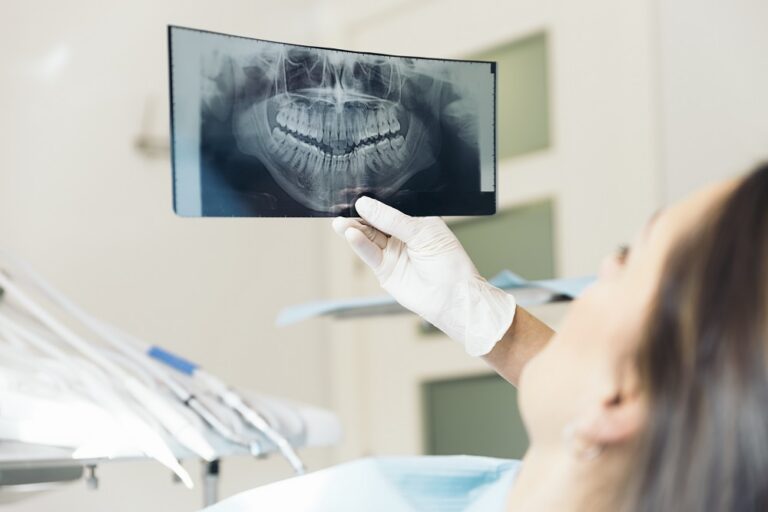
A proper workup is more than a quick glance and a quote for grafting. The clinician needs to measure recession depth and width, evaluate the width of keratinized tissue, probe around the tooth, assess bone levels from radiographs, and study the bite. Tissue thickness matters. So does tooth position. So does the location of the frenum, the little fold of tissue that can pull near the gum margin.
Ventura patients are often surprised when a periodontal evaluation includes questions about orthodontics, night grinding, dry mouth, and brushing habits. Those details matter because the same defect can behave very differently depending on the forces and habits around it. I have seen small recession defects remain unchanged for years in one patient and deepen steadily in another because of unresolved trauma from brushing or clenching.
The classification of recession also affects prognosis. Some defects have intact bone and papilla between teeth, which makes root coverage more achievable. Others involve loss of support between teeth, which reduces the chance of complete coverage. This distinction is important. If a clinician promises perfect cosmetic reversal in every case, skepticism is healthy.
When treatment is necessary, and when monitoring is reasonable
Not every recession site needs surgery. Some cases are stable, easy to clean, and cause no sensitivity. If the tissue has been unchanged over several checkups and the patient is not bothered by the appearance, conservative management may be the best choice.
A more active treatment plan becomes reasonable when one or more of the following are present:
- increasing recession over time
- root sensitivity that does not improve with desensitizing products
- root decay or visible wear at the exposed surface
- difficulty cleaning because the tissue is too thin or mobile
- cosmetic concerns in the smile zone
Those are broad signals, not a substitute for an exam. The key idea is that treatment should solve a problem, not just add a procedure.
Non-surgical options that often come first
For many people, the first step in periodontal treatment in Ventura is not surgery at all. It is controlling the factors that pushed the gums into recession. If plaque and inflammation are present, a professional cleaning or scaling and root planing may be necessary. If brushing technique is too aggressive, a simple change in method can make a meaningful difference within weeks. I often recommend a soft or extra-soft brush, a gentle angled stroke, and far less pressure than most patients think they need.
Desensitizing toothpaste can help if the main complaint is cold sensitivity. Fluoride varnish and prescription-strength fluoride are often useful on root surfaces. If there is a notch or cervical lesion where the root is exposed, a small bonded restoration can reduce sensitivity and protect the area, though it does not replace lost gum tissue.
Occlusal management matters in selected cases. Night guards do not cure recession directly, but in a heavy clencher they may reduce contributing stress and protect already vulnerable cervical areas. Orthodontic consultation may also be appropriate when a tooth is positioned too far toward the lip or cheek, outside the ideal bone support. Moving the tooth into a healthier position can improve long-term stability and sometimes creates a better foundation for a future graft.
Surgical solutions for gum recession
When coverage or reinforcement of the gumline is needed, periodontal plastic surgery becomes the conversation. This is where experience and case selection make a noticeable difference.
The classic and still very reliable option is a connective tissue graft. In this procedure, tissue is typically borrowed from the palate and placed under a flap at the recession site. The goal may be root coverage, thickening of the tissue, or both. In well-chosen cases, especially isolated recession with good bone support between teeth, connective tissue grafting can produce excellent and stable results.
Another method is the free gingival graft. This usually places a thin piece of tissue, often from the palate, onto the recipient area to create more durable keratinized gum. It is highly useful when the main goal is to increase tissue width and toughness rather than maximize cosmetic blending. It tends to look a little patch-like at first, so it is often favored in lower back areas or places where function matters more than aesthetics.
A coronally advanced flap may be done alone or combined with a graft. This technique repositions the existing tissue upward over the root. It works best when there is enough healthy tissue nearby to move without tension. In thin biotypes, adding connective tissue often improves predictability.
Some practices use biologic materials or donor tissue substitutes in place of a patient’s own palate tissue in selected cases. These can reduce donor site discomfort, which appeals to many patients. The trade-off is that results vary depending on the defect, tissue thickness, and product used. For some sites, nothing matches the consistency of the patient’s own connective tissue.
There is no universal winner. The right technique depends on anatomy, goals, and tolerance for recovery.
What recovery is actually like
Patients usually imagine gum grafting as either trivial or terrible. The reality is generally somewhere in the middle. The operated area is delicate for the first couple of weeks. If tissue is taken from the palate, the donor site often causes more soreness than the grafted tooth itself. Most people describe it as manageable with medication, soft foods, and careful instructions.
The first month matters. Mechanical brushing is often paused at the surgical site for a period determined by the surgeon, and antimicrobial rinses may be used. A common mistake is checking the site too often, pulling the lip to inspect the graft, or returning to normal brushing too early. Tiny movements can matter while the tissue is trying to establish blood supply and integrate.
Expectations should also be realistic. The area may look bulky, pale, or uneven during the early stages. Final blending takes time. Sensitivity often improves before the appearance fully settles. If a restoration is planned at the gumline, many clinicians prefer to let the tissue mature first so the margin can be placed more precisely.
Cosmetic goals versus biologic goals
A point worth emphasizing is that successful periodontal treatment is not always identical to perfect root coverage. Sometimes the best outcome is thicker, more stable tissue that protects the tooth, even if a small amount of root remains visible. That distinction matters because chasing complete coverage in a poor candidate can create frustration.
The smile zone raises the stakes. A millimeter matters on a central incisor. On a lower premolar that barely shows when smiling, longevity and comfort may matter more than ideal symmetry. Professional judgment comes in here. Good clinicians match the procedure to the patient’s actual priorities rather than selling the most dramatic possible intervention.
This is also where dentistry intersects with facial habits and oral hygiene style. If the underlying trauma remains, even a technically excellent graft can relapse. The surgery may be done beautifully, but if a patient returns to hard horizontal scrubbing twice a day, the tissue is being asked to fight the same battle again.
Choosing the right provider in Ventura
When people search for Periodontal Treatment Ventura, they often compare offices based on procedure names, online photos, and price. Those pieces matter, but they do not tell the whole story. Recession treatment is detail-sensitive. Diagnosis, technique, post-op management, and communication all affect the result.
A strong consultation usually includes a careful explanation of why the recession happened, what can realistically be improved, and what the long-term maintenance will involve. Photos and measurements are helpful. So is honest discussion about limitations. If a site has lost bone between teeth, complete coverage may not be likely. If the tissue is paper-thin and there is almost no attached gingiva, a staged approach may be wiser than a quick cosmetic fix.
These questions help patients sort through their options:
- What is causing my recession in this specific area?
- Is the goal root coverage, thicker tissue, or disease control?
- What result is realistic for my case, not just the best-case scenario?
- Will I need treatment on the palate or can donor material be considered?
- What changes do I need to make to protect the result?
Those answers reveal a lot about the depth of the evaluation. They also help avoid the common mistake of treating the visible symptom while missing the driver.
Situations that require a more nuanced plan
Some recession cases are straightforward. Others are not.
Orthodontic patients are a good example. A tooth that was moved quickly or positioned toward the outside of the arch may sit in very thin bone. In that case, grafting alone may help, but the overall prognosis could improve if the tooth is moved into a better position first. That requires coordination between specialists.
Patients with active periodontal disease present another challenge. If pockets are deep, gums bleed easily, and bone loss is still occurring, disease control takes priority. Once inflammation settles and hygiene improves, the recession pattern can be reevaluated. Jumping directly to cosmetic surgery in an infected environment is poor sequencing.
Smokers and nicotine users deserve special mention because tissue response and blood supply are different. Healing can be slower, and graft predictability may be reduced. That does not mean treatment is impossible, but it changes the conversation. The same applies to uncontrolled diabetes, medications that affect healing, and severe dry mouth.
Then there are the cases where recession is not painful, not progressing, and not visible. In those situations, restraint is sometimes the most professional choice. Dentistry should not treat every measurable defect just because it can.
Protecting the result after treatment
Long-term success depends on maintenance. The surgery itself may take an hour or two. Keeping the tissue healthy is a years-long project. Fortunately, the habits that matter are not dramatic. They are small and consistent.
A softer brush and gentler technique are nonnegotiable for most people with recession history. Professional maintenance visits are important because the https://kylergfqa622.hexaforgey.com/posts/what-first-time-patients-should-know-about-periodontal-treatment-ventura earliest signs of inflammation or relapse are often subtle. If there is grinding, a well-made night guard can protect the cervical areas from further stress-related wear. If restorations near the gumline are rough or overcontoured, refining them can make daily cleaning easier and reduce irritation.
The biggest shift for many patients is mental rather than technical. They stop thinking of brushing as scrubbing and start thinking of it as precise plaque removal. That single change often protects both natural gum tissue and any surgical work that has been done.
Why early attention matters
Small recession defects are easier to manage than large ones. Tissue quality is often better, root coverage potential is higher, and the amount of root wear or decay is lower. Early intervention does not always mean surgery. Sometimes it simply means getting a proper periodontal exam, identifying the cause, and making targeted changes before the tissue loss becomes harder to correct.
That is the practical value of seeking timely periodontal treatment in Ventura rather than waiting until sensitivity becomes severe or the cosmetic change feels obvious. Recession is usually a slow problem, but it is still a progressive one when the driving factors remain in place. Patients who address it early tend to have more options and fewer compromises.
For anyone noticing longer-looking teeth, a notch at the gumline, or recurring sensitivity in a specific area, the next step should be an evaluation that goes beyond a cursory glance. Gum recession can often be stabilized, and in many cases improved, but successful treatment depends on reading the site correctly. The best solutions are rarely generic. They are built around anatomy, cause, and the kind of result that will still make sense years from now.
Avra Dental
Address: 1708 S Victoria Ave B, Ventura, CA 93003
Phone number: (805) 941-1001
FAQ About Periodontal Treatment Ventura
Can a dentist get rid of periodontal disease?
A dentist or gum specialist (periodontist) cannot fully cure or reverse advanced periodontal disease (periodontitis), but they can successfully stop its progression and manage the infection.
Is periodontitis very serious?
Yes, periodontitis is a very serious, advanced form of gum disease that destroys the bone and tissues supporting your teeth.
How is stage 2 periodontal disease treated?
Stage 2 periodontal disease (early to moderate periodontitis) is primarily treated with non-surgical deep cleaning procedures like scaling and root planing to remove bacteria and tartar below the gumline.