Why Regular Evaluations Matter Before Periodontal Treatment in Ventura
Periodontal care rarely begins with treatment alone. It begins with observation, comparison, and timing. That matters more than many patients realize, especially in a place like Ventura, where people often juggle busy work schedules, family responsibilities, outdoor lifestyles, and long gaps between dental visits because nothing feels urgent until a tooth becomes loose or gums start bleeding regularly.
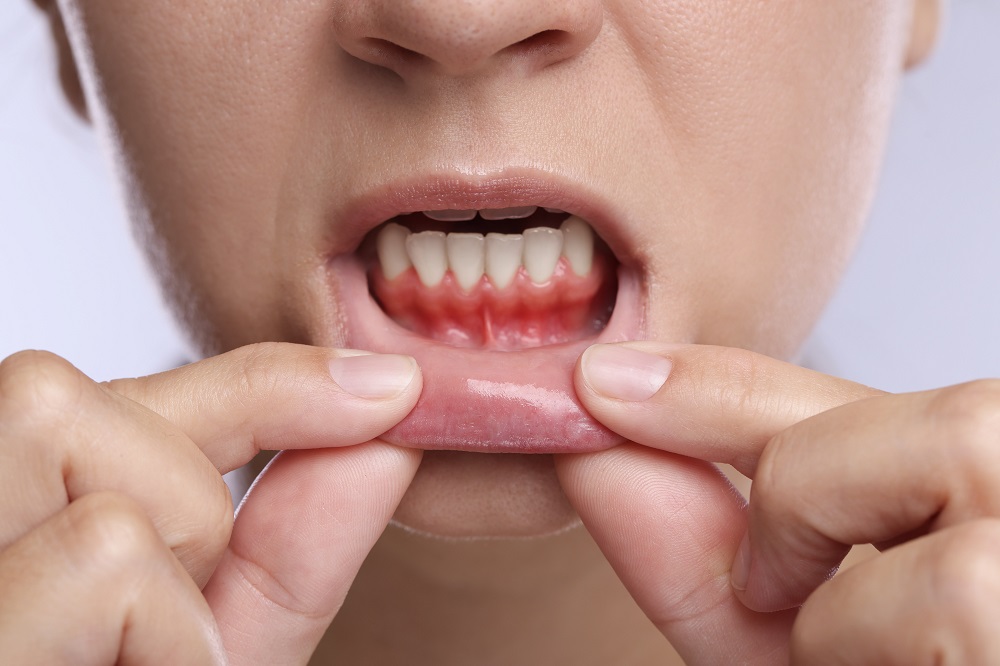
The problem is that gum disease does not usually announce itself with dramatic pain at the start. Early periodontal changes can be subtle. A little bleeding when flossing. Mild puffiness along the gumline. Persistent bad breath that seems unrelated to brushing. Teeth that feel slightly different when biting down. These signs are easy to dismiss. By the time discomfort becomes obvious, the disease process may already be well established below the gumline.
That is why regular evaluations before any periodontal treatment in Ventura are so important. A proper evaluation does more than confirm whether gum disease is present. It helps determine the stage of disease, reveals what is driving it, identifies risks that could affect healing, and often changes the treatment approach in meaningful ways. In real clinical settings, the difference between treating based on assumptions and treating based on current, detailed findings is enormous.
Periodontal disease changes over time, not all at once
One of the most common misconceptions patients have is that gum disease is either there or not there. In practice, it is much more dynamic. Some areas of the mouth may remain stable for years while other spots deteriorate quickly. A patient can have healthy tissue around most teeth and still have significant attachment loss around a few molars. Someone else may show generalized inflammation without deep destruction, but be on track for more serious damage if nothing changes.
This is where regular evaluations become indispensable. Periodontal disease is a condition that unfolds over time. Clinicians look for patterns, not just snapshots. A single visit can reveal pocket depths, recession, bone levels, and bleeding points, but repeat evaluations show whether those findings are stable, worsening, or improving. That trendline often guides treatment far better than one isolated exam.
A patient in Ventura might come in after noticing bleeding near the back teeth. At first glance, the gums may look only mildly inflamed. Yet a periodontal chart could show several 5 to 6 millimeter pockets on one side, with heavier buildup below the gumline and early furcation involvement on a molar. Another patient may appear worse visually, with red, puffy gums throughout, but measure mostly shallow pockets driven by neglected home care and inconsistent cleanings rather than advanced destruction. Those are two very different situations, and the right treatment for one can be unnecessary or insufficient for the other.
A careful evaluation tells you what kind of treatment is actually needed
Patients often use the phrase "deep cleaning" as if it covers all gum-related treatment. It does not. Scaling and root planing can be very effective for many cases, but not every patient needs the same approach, and not every area in the mouth responds the same way.
Before recommending treatment, a strong periodontal evaluation usually clarifies several things:
- how deep the periodontal pockets are
- where bleeding and inflammation are concentrated
- whether bone loss appears mild, moderate, or advanced
- whether recession, mobility, or bite trauma is complicating the picture
- whether the disease seems generalized or limited to specific teeth
That level of detail matters because treatment decisions should be specific. If disease is localized, the focus may stay on a few problem areas plus improved maintenance. If bone loss is widespread, the plan may need to include quadrant-by-quadrant therapy, reevaluation, and possible surgical consultation. If tooth mobility is caused partly by an imbalanced bite, simply removing calculus may not resolve the issue. If dry mouth, diabetes, smoking, or medication use are contributing factors, the clinician has to account for those as well.
In other words, the evaluation is not an administrative step before the real work begins. It is the foundation of the treatment plan.
Ventura patients often have risk factors that deserve closer review
Every community has its own patterns. In Ventura, clinicians commonly see a mix of patients who spend a lot of time outdoors, work physically demanding jobs, commute, care for children or aging parents, and put off preventive care because they feel functional enough. That does not make Ventura unusual, but it does create familiar periodontal scenarios.
People who breathe through their mouths while sleeping, stay dehydrated, use tobacco, or rely on coffee throughout the day can experience dry oral tissues and plaque retention that encourage inflammation. Patients under chronic stress may clench or grind, which can worsen recession and mobility. Others have not had a detailed periodontal evaluation in years because they only seek care when something breaks or hurts.
Regular evaluations help uncover those patterns before treatment starts. That can change the conversation from "you need this procedure" to "here is why your gums keep breaking down, and here is what will make treatment succeed." Patients respond better when they understand the cause-and-effect relationship. They are also far more likely to follow through with maintenance when they see how lifestyle, anatomy, and daily habits interact.
Symptoms do not always match severity
One of the most deceptive features of periodontal disease is how often patients feel fine. It is entirely possible to have moderate bone loss and say, honestly, that nothing hurts. It is also possible to feel worried by bleeding that turns out to be limited and reversible with improved hygiene and professional cleaning.
This mismatch between symptoms and severity is one of the strongest arguments for routine reevaluation. You cannot judge periodontal health by comfort alone. The tissue below the surface can change quietly. Bone can resorb gradually. Pockets can deepen without sharp pain. When patients wait for unmistakable symptoms, they often lose the opportunity for simpler, less invasive care.
I have seen patients who came in mainly because a spouse noticed bad breath. They expected a quick polish and fresh start. Instead, the exam revealed years of chronic inflammation, localized bone loss, and calculus packed beneath the gums. I have also seen patients convinced they needed extensive treatment because of occasional blood in the sink, only to find that the main issue was technique, not destruction. Both benefited from evaluation first, not guesswork.
Baseline measurements make follow-up meaningful
Good periodontal care depends on measurable data. Dentists and hygienists are not simply looking at gum color and making a judgment call. They record pocket depths, bleeding points, recession, mobility, furcation involvement, plaque accumulation, and radiographic bone levels. Those details create a baseline.
Without a baseline, it is hard to know whether treatment worked. After nonsurgical therapy, a periodontal surgery Ventura reevaluation often takes place in roughly four to eight weeks, depending on the case. Some pockets should shrink. Bleeding should usually decrease. Tissue tone should improve. If certain areas stay deep or inflamed, that is a sign that more targeted treatment may be needed, whether that means retreatment, local antimicrobials, occlusal adjustment, referral to a periodontist, or surgical intervention.
This is where regular evaluations save patients time and money in the long run. A rushed approach can lead to treating too little, then having to revisit active disease later. It can also lead to overtreating areas that could have improved with less intervention. Neither outcome is ideal.
Medical history can change periodontal strategy
A thorough periodontal evaluation is not confined to the mouth. Medical history matters, and sometimes it matters a great deal.
Diabetes is a clear example. Poor glycemic control tends to increase inflammation and slow healing. A patient with uncontrolled diabetes may need closer monitoring, stronger home care support, and careful timing around treatment phases. Pregnancy can also change gum response. Certain blood pressure medications, seizure medications, and immunosuppressive drugs may contribute to gum enlargement or altered tissue behavior. Patients taking anticoagulants may require a more deliberate plan if invasive procedures become necessary later. Even something as common as chronic sinus congestion or mouth breathing can change the tissue environment enough to affect findings.
Regular evaluations catch these details before treatment begins. They also create a safer path forward. The clinician can coordinate with the patient’s physician when necessary, adjust expectations about healing, and build a plan that reflects the whole health picture rather than just the charting numbers.
Not every bleeding gumline means the same thing
Bleeding is one of the most common reasons patients seek care, and one of the most misunderstood. It can signal plaque-induced gingivitis, active periodontitis, trauma from aggressive brushing, hormonal fluctuation, flossing inconsistency, or a combination of factors. Without evaluation, it is easy to assign the wrong meaning to it.
A patient may bleed because there is heavy mineralized buildup beneath the gumline that requires instrumentation. Another may bleed because they floss once every ten days and irritate tissue each time. Someone with veneers or crowded lower front teeth may trap plaque in ways that create persistent inflammation despite otherwise decent home care. A person who recently quit smoking might even notice more visible bleeding because nicotine had previously masked some inflammatory signs by constricting blood vessels.
This is why regular evaluations before periodontal treatment in Ventura should be viewed as diagnostic, not merely procedural. When you know why the tissue is reacting, you can choose the right response.
Early findings can protect teeth that seem stable
By the time a tooth becomes obviously loose, the supporting structures have often been under strain for a long time. Preventing that level of breakdown is one of the biggest benefits of routine periodontal evaluation.
Molars are a frequent concern. They carry heavy chewing forces, can be hard to clean, and often have root anatomy that complicates plaque control. A patient may chew comfortably and assume everything is fine, yet still have early furcation involvement, meaning bone loss has started in the area where roots divide. Catching that early may preserve treatment options and improve long-term prognosis.
Front teeth deserve the same vigilance, especially when recession is involved. Lower incisors can lose support gradually with little fanfare. Patients sometimes notice that the teeth look longer or slightly more separated and assume it is cosmetic aging. In reality, the tissue and bone may be changing in ways that warrant intervention. Regular evaluation makes it possible to act before those changes become more difficult to manage.
Evaluations also reveal when treatment should wait
This point is often overlooked. A good evaluation does not always lead straight to immediate periodontal therapy. Sometimes it shows that the first step should be something else.
If a patient has extensive decay, broken restorations, or unresolved pain from another source, priorities may shift. If home care is extremely limited and inflammation is severe, the clinician may spend time first on instruction, desensitization, and reducing barriers so treatment has a better chance of success. If the patient has not had a recent medical review and there are signs that systemic conditions are poorly controlled, coordination may be the wiser move before invasive care.
There are also times when a patient expects periodontal treatment but really needs regular prophylaxis and monitoring instead. That judgment matters. Conservative care is part of good care. The goal is not to label every inflamed gumline as advanced disease. The goal is to diagnose accurately and act appropriately.
What patients should pay attention to between visits
An evaluation at the dental office matters most when it is paired with awareness at home. Patients do not need to monitor their gums obsessively, but they should notice changes that persist rather than come and go.
Here are some signs worth bringing up promptly:
- bleeding that continues for more than a week or two despite careful brushing and flossing
- gums that look swollen, shiny, or tender in one area
- persistent bad breath or a bad taste that does not improve
- teeth that feel slightly loose or different when biting
- new recession, especially around front teeth or exposed roots
None of these automatically means severe disease. They do mean it is worth checking before a small problem grows larger. In many cases, the earlier the evaluation happens, the simpler the treatment path becomes.
The financial argument is more practical than many expect
Patients sometimes postpone evaluations because they are worried about cost. That concern is understandable, especially when treatment has not been recommended yet and the issue feels uncertain. But from a practical standpoint, evaluations usually reduce financial risk rather than increase it.
When periodontal disease goes unchecked, treatment tends to become more involved. What might have been addressed with localized therapy and maintenance can progress to more extensive scaling and root planing, adjunctive procedures, surgical care, crown length issues, tooth replacement discussions, or restorative work after tooth loss. Even if a patient never reaches those later stages, managing moderate disease is generally more demanding than catching changes early.
There is also the issue of retreatment. If therapy is started without good baseline data or without understanding the patient’s risk profile, the initial plan may fail to control the disease. That can mean additional appointments, more cost, and more frustration. Thorough evaluations reduce that guesswork. They make treatment more precise, which is often the most economical route over time.
Trust builds when patients can see the reasoning
One of the strongest benefits of regular periodontal evaluation is less tangible but deeply important: it builds trust. Patients are more comfortable accepting treatment when they can see what the clinician sees and understand why the recommendation makes sense.
When charting findings are explained clearly, when radiographs are reviewed in plain language, and when changes are compared over time, the conversation becomes collaborative. The patient is not being sold a procedure. They are being shown a pattern and offered a response. That distinction matters.
In Periodontal Treatment Ventura settings, this can make a major difference in case acceptance and long-term follow-through. People are more likely to return for maintenance when they understand that maintenance is not a generic cleaning schedule but a disease-control strategy tailored to their own mouth.
Regular evaluations support better outcomes after treatment too
The value of evaluation does not stop once treatment starts. In fact, periodontal therapy without ongoing reevaluation is incomplete care. Healing must be checked. Pocket reduction must be measured. Home care effectiveness must be reassessed. Areas that looked questionable before treatment may stabilize, or they may reveal the need for additional intervention once inflammation subsides and the tissue can be judged more accurately.
This is especially relevant in cases where the initial exam shows a mix of problems. A patient may have moderate chronic periodontitis, one tooth with questionable prognosis, and several sites where recession creates sensitivity. Treatment may improve most areas beautifully while isolating one or two spots that need specialist input. Without follow-up evaluation, those distinctions can be missed.
The best periodontal outcomes usually come from a cycle of assess, treat, reevaluate, maintain, and reassess again. It is not glamorous, but it is reliable. That is how teeth are kept functional for years rather than managed in crisis mode.
Why this matters locally
Ventura patients often value practical care. They want to know what is necessary, what can wait, and what will actually protect their health. Regular periodontal evaluations answer those questions with more accuracy than assumptions ever can.
They help separate mild gingival irritation from deeper structural disease. They identify the teeth at greatest risk. They account for medical conditions, habits, anatomy, and healing potential. They establish a baseline that makes future decisions smarter. Most of all, they create a treatment plan that fits the patient in the chair, not a generic template.
Before any periodontal treatment in Ventura, a regular and well-executed evaluation is not just helpful. It is the step that gives the rest of the care its direction, its precision, and its best chance of lasting success.
Avra Dental
Address: 1708 S Victoria Ave B, Ventura, CA 93003
Phone number: (805) 941-1001
FAQ About Periodontal Treatment Ventura
Can a dentist get rid of periodontal disease?
A dentist or gum specialist (periodontist) cannot fully cure or reverse advanced periodontal disease (periodontitis), but they can successfully stop its progression and manage the infection.
Is periodontitis very serious?
Yes, periodontitis is a very serious, advanced form of gum disease that destroys the bone and tissues supporting your teeth.
How is stage 2 periodontal disease treated?
Stage 2 periodontal disease (early to moderate periodontitis) is primarily treated with non-surgical deep cleaning procedures like scaling and root planing to remove bacteria and tartar below the gumline.